
I grew up in Tonteg, a small village in the South Wales Valleys. It wasn't the kind of place that appears in glossy interiors magazines or coffee table books about British design. It was real: terraced houses, tight-knit communities, and families who made do with what they had. There were no grand entrances or marble worktops. But there was something else. There was care. There was pride. There was an understanding that home mattered, not because of what it looked like from the outside, but because of what it meant on the inside.
That perspective, formed long before I ever trained as an interior designer, became the foundation of my work, and, over time, the basis of a strategic consultancy. After 11 years in the industry as a Top 100 designer, the through line has stayed the same: design is a discipline of understanding people. The Lifestyle Design Method formalises that belief into a clear framework that now informs high level creative direction, brand partnerships, and the way I show up as a public voice for the industry.
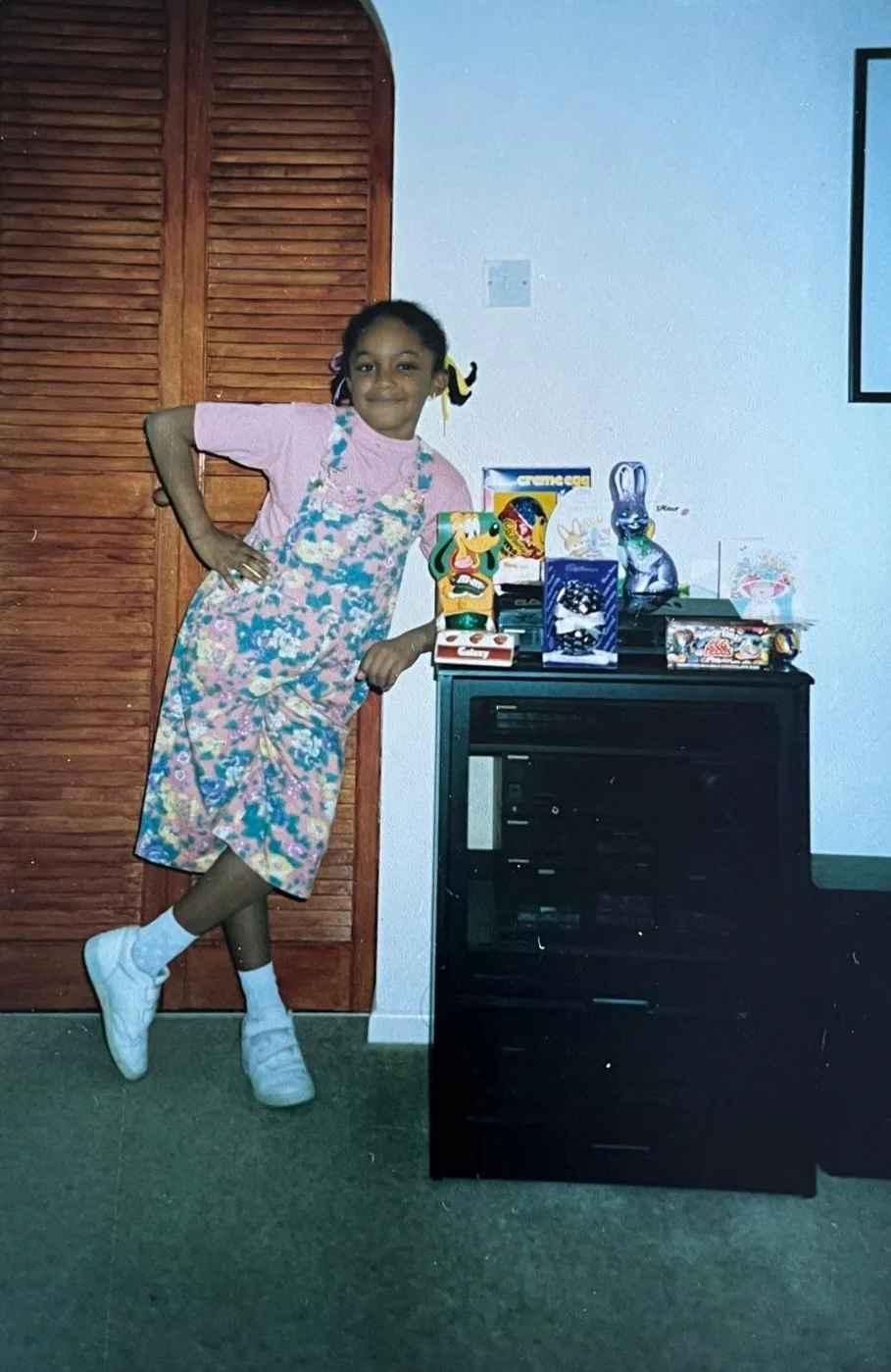
7 Year old Alex
Home as Identity, Not Status
In Tonteg, your home wasn't a statement of wealth. It was a statement of who you were. The way my mum arranged the front room, the ornaments on the mantelpiece, the way the kitchen felt on a Sunday afternoon, these weren't decorative choices. They were expressions of identity, security, and belonging. Deeply intentional, even if they didn’t use the language of design.
That’s the origin point of my design intelligence. Not trend led. Not status driven. Human first.
Over the past 11 years, as a Top 100 designer, this early understanding has evolved into a strategic point of view: interiors are never just visual. They shape routines, relationships, and emotional steadiness. The Lifestyle Design Method was created to make that truth usable. A structured philosophy that examines how we live before deciding how a space should look, so the result holds up in real life, not just in a photo.
This is also why my work extends beyond residential spaces. The same human first thinking now informs brand partnerships, cultural commentary, and high level creative direction, because the future of design is about solutions, behaviours, and wellbeing as much as it is about aesthetics.
From Decorating to Strategic Consultancy
The shift from “making things look nice” to strategic design thinking is one the industry is still catching up with. For me, it was never a pivot. It was the starting point.
Growing up, I watched people make decisions about their homes based on fear, fear of getting it wrong, fear of wasting money, fear of not knowing enough. The design world felt exclusive, intimidating, and out of reach. Even when people could afford to make changes, they didn’t trust themselves. They didn’t have the language, the confidence, or the framework to make decisions that felt right.
That tension became my work. Today, I operate as a strategic design consultant and industry voice, focused on defining intent, translating lifestyle into spatial strategy, and contributing to the wider conversation about what design is for. Not simply selecting finishes, but shaping the thinking that sits underneath them.
The Lifestyle Design Method is built on seven pillars: Space, Atmosphere, Mood, Comfort, Routines, Behaviors, and Emotional Response. These aren’t aesthetic categories. They’re life categories. They reflect the truth I learned in Tonteg: design isn’t about surfaces. It’s about how a space makes you feel, how it supports daily rituals, and how it evolves as life changes.
And because it is a method, not a moodboard, it scales. It applies to homes, yes, but also to hospitality, workplace culture, product storytelling, and brand worlds that need clarity and emotional relevance. This is where future design solutions live: at the intersection of behaviour, atmosphere, and long term intent.
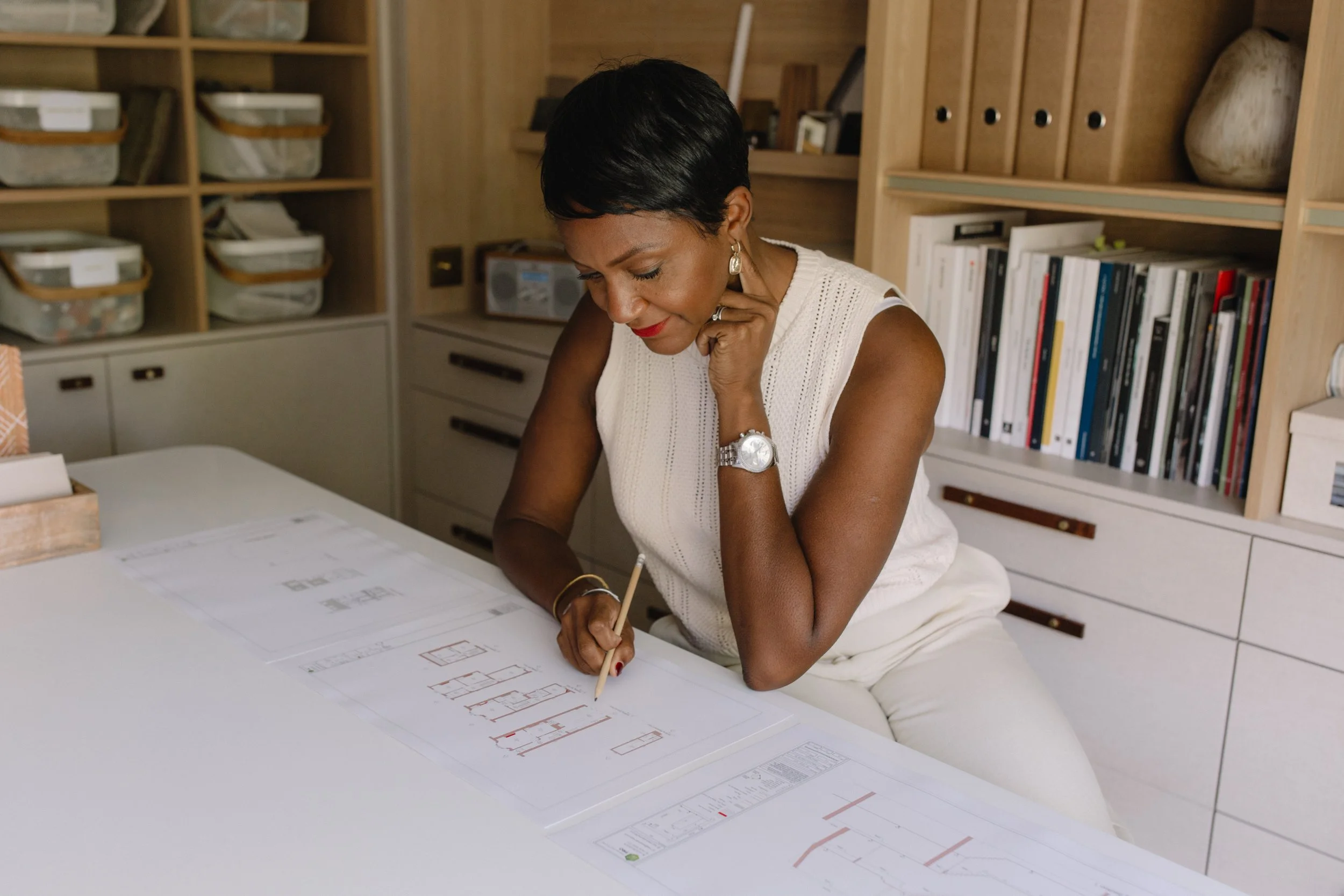
studio life
What You're Really Investing In
Strategic design thinking is not an aesthetic upgrade. It’s a decision-making advantage.
Whether I’m advising a homeowner, partnering with a brand, or shaping creative direction for a broader audience, the value is the same: clarity. A framework. A more intelligent way to choose.
Here’s what that looks like:
A Framework for Decision Making. The Lifestyle Design Method offers a structured way to evaluate choices, grounded in routines, emotional needs, and long term intention, not momentary trends.
Protection from Costly Misalignment. The biggest risks in design are rarely “bad taste.” They’re misread priorities: investing in the wrong thing, at the wrong time, for the wrong life. Strategic direction reduces that, so decisions compound rather than unravel.
Long Term Thinking. Life changes. Roles shift. Homes and brands evolve. A strong design strategy anticipates movement and builds in adaptability, so updates feel like progression, not reinvention.
Confidence (for people and teams). When the why is clear, second-guessing quiets down. Individuals trust their choices. Teams align faster. Creative decisions become decisive, not reactive.
This is why consultancy is powerful. You’re not buying “more design.” You’re gaining a way of thinking that makes every future decision cleaner, calmer, and more intentional.
The Strategic Thinking Behind Every Design Decision
Design is not decoration. Design is problem-solving.
Every choice in a well-designed space serves a purpose. Layout isn’t just about aesthetics, it’s about flow, function, and how life moves through a day. Colour isn’t just a preference, it’s how light behaves, how rooms relate, and what atmosphere is being built.
This is where the Valleys upbringing comes in again. When resources are limited, every decision has to count. You can’t afford to buy something twice. You can’t afford to guess. You learn to read a space quickly, what matters, what doesn’t, what will last.
That discipline is the backbone of my consultancy and creative direction work now. The process is consistent across contexts: start with human experience, not visuals. Define the problem before proposing the solution. Create an intention that can guide hundreds of downstream decisions, spatial, commercial, editorial, or product.
Strategic thinking also means knowing when not to add. Sometimes the answer is editing, not expanding. Sometimes it’s a behavioural change, not a renovation. That’s the point of method led design: it keeps the work honest, and it keeps the outcome useful.
Understanding the Middle-Market Majority
One of the reasons this method holds weight is because it’s rooted in a lived understanding of how most people actually navigate home.
The middle market majority aren’t the ultra wealthy clients featured in magazines. They’re households juggling budgets, timelines, and real life constraints. They want beautiful spaces, but they need functional ones. They’re overwhelmed by choice, unsure where to start, and often carrying the quiet pressure of “getting it wrong.”
I’ve been in those rooms, literally and culturally. And that’s why The Lifestyle Design Method was built to be structured, accessible, and grounded in human experience. Design that offers confidence. A language for decision making. A way to move forward with intention.
That same clarity is also what makes the method relevant beyond residential work. It speaks to how people behave in environments, how they connect, rest, consume, and belong. For brands and platforms, that’s not a styling point. It’s strategy.
The Bigger Picture
Interior design, when done well, is an act of care, and a form of leadership. It shapes mental health, daily routines, identity, and belonging. It’s not about creating showrooms. It’s about creating environments that make life feel more workable, more grounded, more intentional.
That’s what I learned in Tonteg. Not as a design story, but as a human one. It’s the reason I’ve spent 11 years refining a point of view that now sits at the intersection of space, culture, and behaviour, and why The Lifestyle Design Method exists as a contribution to the industry, not just a way of working.
My focus now is on strategic consultancy, brand partnerships, and high level creative direction, helping people and organisations define spatial intent, mood, and atmosphere with clarity. I also use my platform to broaden the conversation about what design can solve next: how we live, how we age, how we work, how we recover, how we belong.
If you want to explore The Lifestyle Design Method, collaborate on a brand project, or invite me to speak, you can get in touch.
